
(Links on this page may be affiliate links. If you purchase through a link, we may earn a commission. Dislaimer Here)
It’s a bit of a family joke that Grandma has probably completed more than ten biology leaf collection projects over the years.
First, my siblings and I all had to do one. Now, the grandkids are doing them too. With nearly twenty different kinds of trees in her yard, you could do an entire leaf project collection without leaving her property—especially if you borrow a few from the neighbors. She’s a true expert!
Whether you have a student doing a biology project, or you just want to get outdoors and do a simple nature study, this leaf project is a great way to do some easy hands on learning!
The good news is that doing a leaf project doesn’t have to be complicated. With a little planning, it can be meaningful work that combines nature study, leadership education, and even conversations about climate change. Whether you’re a homeschool parent, a classroom teacher, or part of a school forest program, this project is a wonderful way to get kids outside and engaged.

Table of Contents
Why Leaf Projects Are Worth Doing
Leaf projects aren’t just a fun craft—they’re a rich educational experience. Students learn basic biology, practice observation, and gain hands-on exposure to the diversity of trees in their local environment. For youth leaders, this can also become a community-building activity that involves community members from diverse backgrounds. Some groups even display their projects in local restaurants, libraries, or nature centers.
Step-by-Step: How To Do a Leaf Project
You can complete a traditional leaf project in just a few steps. Here’s how to get started:

1. Gather Your Leaves
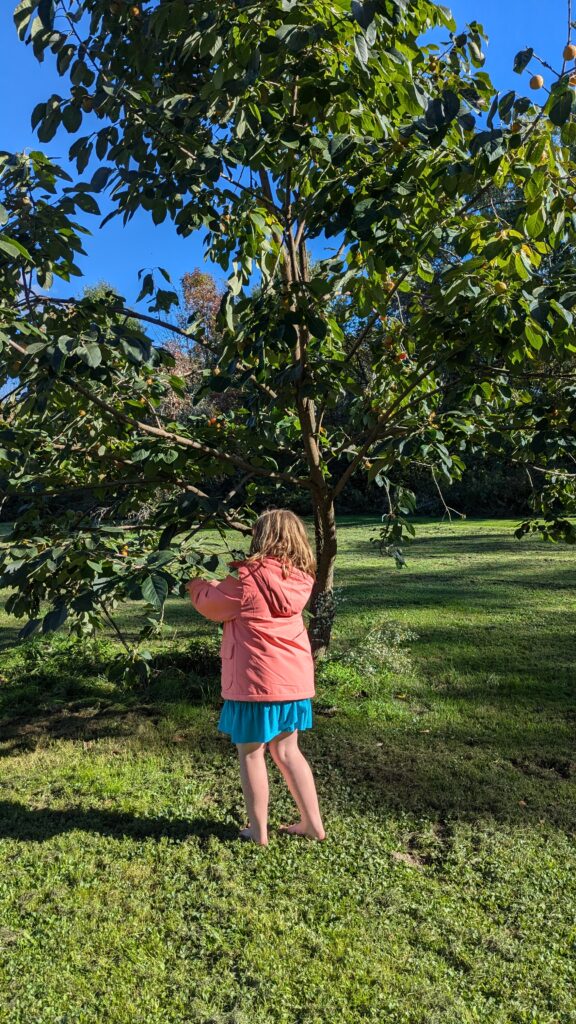
Go for a walk and collect leaves from as many different kinds of trees as you can. Take a picture of each tree (or draw it if you prefer). Specifically take pictures of the leaves on the tree because the way they appear in a pattern is sometimes significant for identifcation.
A handy resource is the classic Tree Finder Manual by May Theilgaard Watts, which can help you identify each species accurately.
If you’re working with a group, create a custom list of local trees to explore together. This makes it easier for younger students to stay focused.
2. Press the Leaves
Place each leaf between sheets of paper towels, then sandwich them inside a big, heavy book. Add a note with the name of the tree so you don’t forget which leaf belongs to which species.
Stack several heavy books on top to keep everything flat. Press the leaves for 3–4 weeks until they’re fully dry and preserved.
3. Assemble Your Leaf Project Pages
Once the leaves are pressed, it’s time to create your book. Print “Leaf Project” pages on heavy paper. Glue one leaf per page, and add:
- The leaf’s common name
- Its Latin name
- A photo or drawing of the tree
Punch holes and collect the pages in a binder. Add a fun cover, and your project is ready to present!
Pro tip: If this is your first year doing a project like this, don’t stress about making it perfect. Focus on enjoying the process. It’s supposed to be fun and educational.

A Simple Leaf Project for Younger Kids
Sometimes it’s the wrong season for collecting leaves—or your kids might be too young for the full project. In that case, try this simplified leaf project:
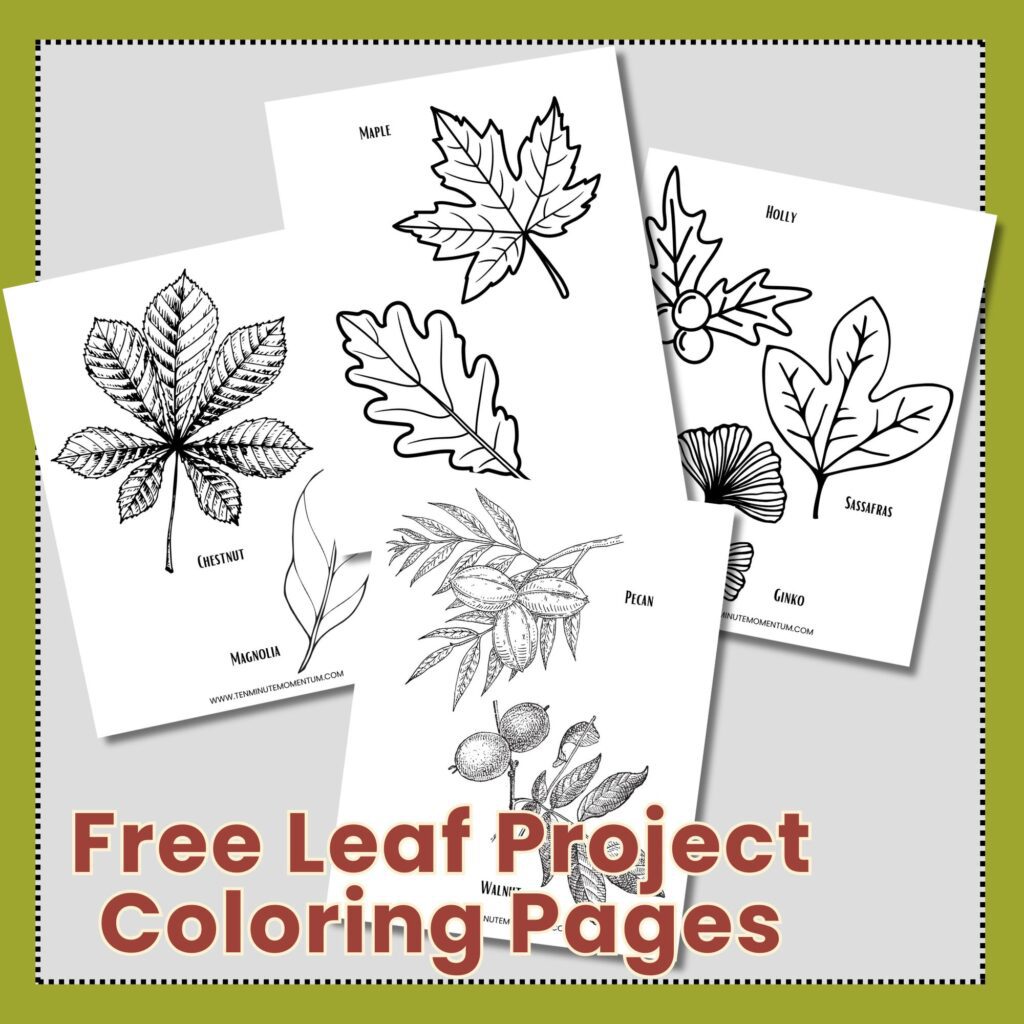
- Print leaf coloring pages.
- Have the kids color them.
- Cut out the leaves and glue them onto your Leaf Project pages.
- Look up pictures of the matching trees on secure websites and print them.
- Glue the pictures next to the colored leaves.
You can often get a free copy of materials like coloring pages or templates from educational websites or homeschool blogs. This version is quick, fun, and perfect for preschoolers or early elementary students.
Make It a Community Project
One of the best parts of a leaf project is how it can bring people together. Consider making this a community or summer project:
- Youth leaders can guide younger kids through collecting and identifying leaves.
- Community members might open their yards for tree walks or donate supplies.
- Local restaurants or libraries could host a small leaf art exhibit.
- Teens could even tie this into summer jobs or service projects, using their leadership skills to teach younger children.
This kind of community involvement echoes stories from the past—like dh’s great grandfather, who planted rows of trees that are now part of the local park. Leaf projects can be a bridge between generations, connecting history, environment, and education.
This is also a fantastic project for schools and homeschool co-ops because it can be used nearly anywhere with the species of trees available in that area.


Tips To Make Your Leaf Project Even Better!
- If you want to go deeper, look up resources from organizations like Leaf Project Inc. or your state forestry department for additional curriculum ideas.
- Some homeschool groups turn leaf projects into ongoing ing practice (writing and presentation) or use them to complement science lessons during summer breaks.
- If you’re working in a school forest or environmental club, you can connect your work to larger environmental discussions, including climate change and conservation efforts.
Whether you’re collecting leaves in Grandma’s backyard, leading a group of youth leaders, or simply looking for a meaningful homeschool science project, a leaf project is a simple yet powerful way to connect kids with nature.
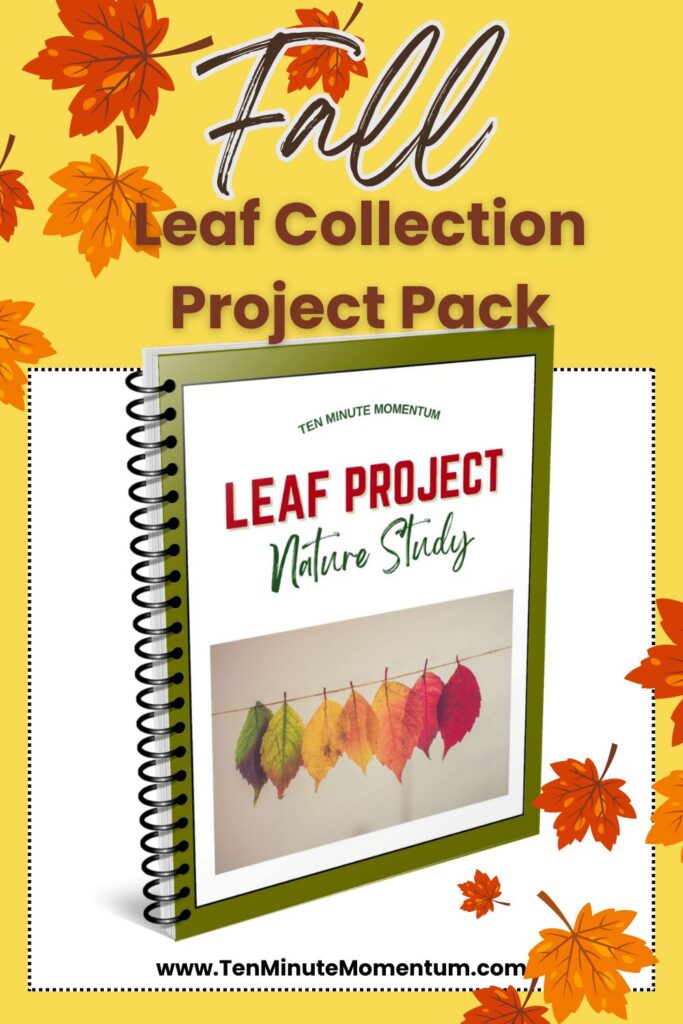
Get Your Leaf Project Pack today, gather some leaves, and make this year’s project one to remember. 🌳✨

Sarah McCubbin and her husband and 9 kids live in Ohio. She loves talking about all kinds of education topics and is passionate about helping families find the best education options in each season! After being very socially awkward growing up, she now loves to help families teach life skills, social skills and leadership to their kids!
Connect With Sarah:
Schooling Year By Year Facebook Group
Facebook Page / Instagram @ten_minute_momentum
IndieEducationNetwork.com
More Reading: