
If you’ve ever watched your child freeze during math—even on problems they know—you’re not alone. For many families, basic math facts become a daily struggle in the early grades.
Kids might understand the lesson, yet still hesitate when solving math problems, answering slowly, or second-guessing the correct answer.
What most parents want isn’t speed drills or endless math worksheets. They want their child to really know their math facts—to answer confidently, remember them long-term, and apply them to word problems, long division, and more complex math later on.
That’s where building math fact mastery—often called math fact fluency—comes in.
If you have had a child who easily learns math, it easy to take for granted just how difficult it is for some students to grasp the way numbers work together. We drilled math all kinds of ways with my daughter, but it just didn’t stick. She could repeat a fact but couldn’t easily apply that knowledge into real life. Something wasn’t translating.

** This is a sponsored post. I received this product or compensation for review purposes only and was compensated for my time. I was not asked nor required to share a positive review; all opinions are my own. READ DISCLAIMER HERE for more information.
Table of Contents
What It Really Means to “Know” Math Facts
When teachers talk about math fluency, they’re usually referring to a child’s ability to recall facts quickly and accurately. But as parents we tend to describe it differently:
- Knowing addition facts without counting
- Remembering multiplication facts without panic
- Solving division facts without guessing
- Applying facts to different ways of solving problems
In our house, I’ve been able to tell that my kids are struggling when they often cry over math, rely heavily on their fingers, can do math facts on paper but not use them in real life or need to “relearn” the same information over and over!!
True math fluency combines:
- Conceptual understanding (why math works)
- Number sense (comfort with a range of numbers)
- Long-term memory (facts that stick)
- Confidence (less stress, fewer tears)
This foundation matters far beyond elementary school math. Students who demonstrate a confident mastery of basic facts early are better prepared for harder topics like fractions, algebra, and beyond.

➡️Check Out The IXL Family Membership & Get 26% off through January 31 at IXL.com

Why Worksheets, Flash Cards, and Timed Drills Often Fall Short
Traditional tools like flash cards, index cards, printable worksheets, and answer keys have their place—but they aren’t always the best way to build confidence.
Students who master these common learning tools can often portray a false sense of understanding when they are really still struggling. Outwardly they can regurgitate some facts…but inwardly they may struggle especially when under pressure.
I regularly talk to moms who have kids that can do their math homework but will completely fail a test. There is some gap in their ability to retain that math knowledge.

A Better Way: Short, Meaningful Math Fact Practice
The most effective math education strategies focus on short, consistent practice rather than long drills. Many educators and parents have found that frequent, low-stress practice helps improve response times and long-term recall far better than cramming.
This approach helps kids strengthen basic operations (addition, subtraction, multiplication, division) and apply that core knowledge to things like word problems and real world experience. The goal is to help them transition learning facts from a place where they consciously recall information to automatic recall.
The good news is this can be done in just a few minutes a day with IXL. It’s not another full curriculum…it’s skills practice and reinforcement. And unlike worksheets and flashcards, it actually adjusts to a student’s abilities to help them level up or down in real time.
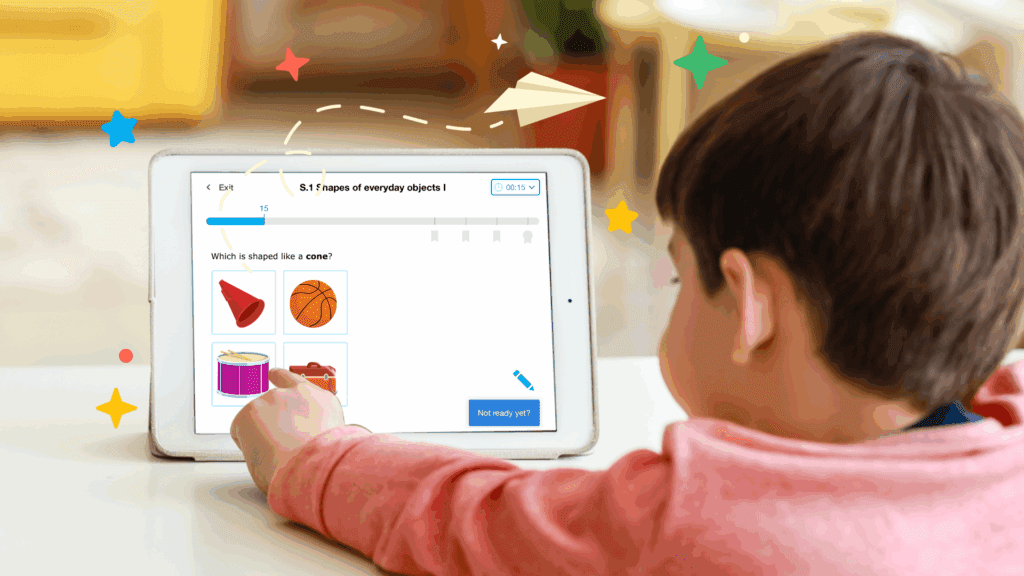
Inside the IXL Fluency Zone: Where Math Facts Click
The Fluency Zone is designed specifically for elementary school math in grades K–4. It brings together multiple tools in one place to support math fact mastery without overwhelm.
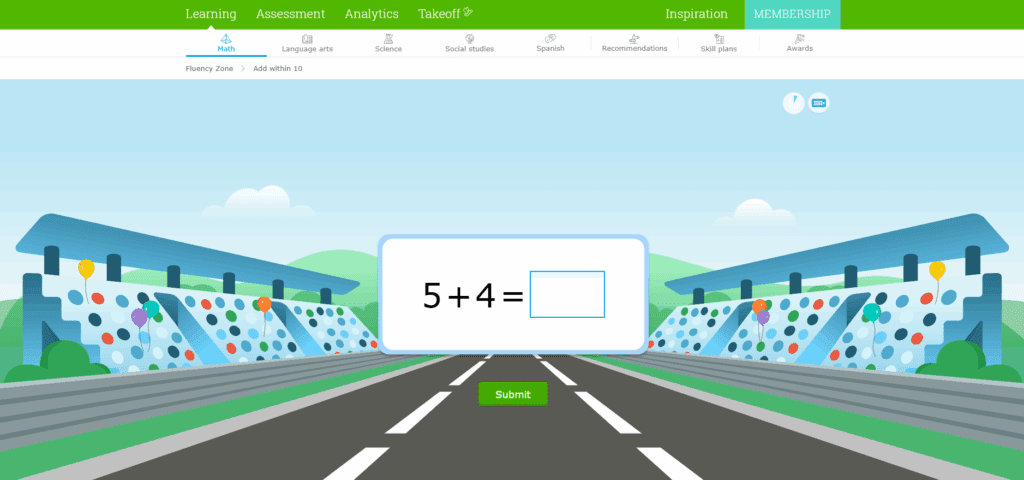
I loved that my kids could work on math facts practice through a variety of games, worksheets, short videos, math exercises and the best part…Raceway challenges!
Raceway challenges are one-minute, fast-paced games that help kids practice math facts while staying engaged. Instead of racing against others, students focus on improving their own response times. These short quick games can be done anywhere…and help kids stay motivated…without the stress of traditional math worksheets.
As kids improve, they can beat their own best times and feel proud of the progress they’re making.
This kind of practice helps math facts move into long-term memory—so kids can focus on complex math later, like Roman numerals, fact families, the commutative property, or algebraic thinking.
Why This Works for Busy Homeschool Families
I don’t know about you, but sometimes it seems like there isn’t enough time to do all the learning activities we SHOULD. As a mom with lots of kids, I’m always looking for shortcuts that help us accomplish the goal without adding a lot to our already busy schedule.
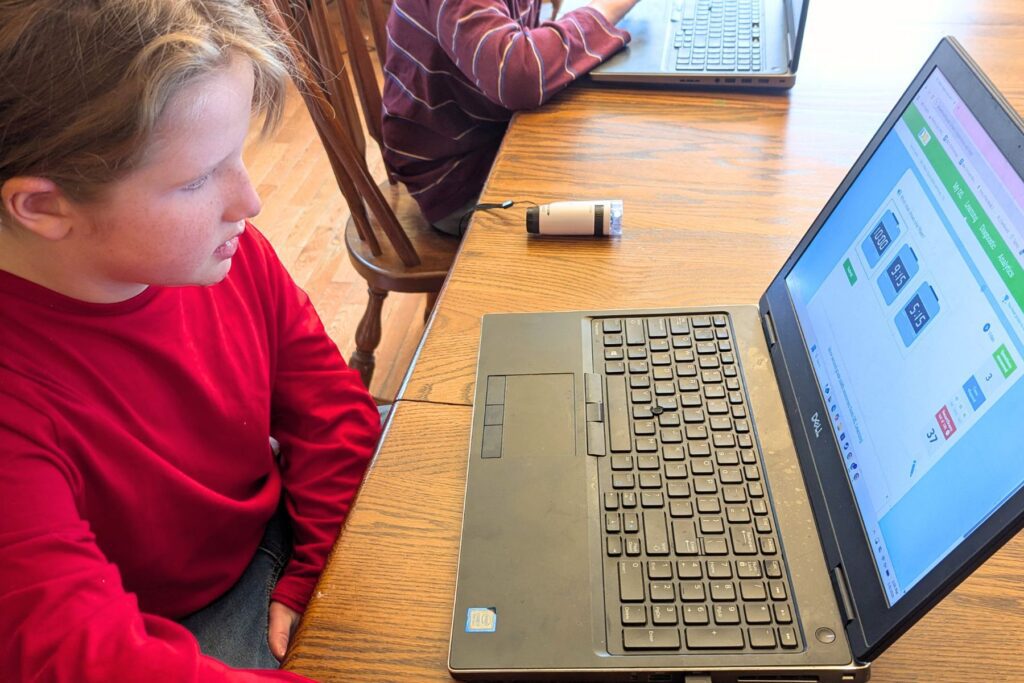
When my kids use IXL, I love that my 2nd and 5th grader can both work independently. Whether they are doing math Raceway games in the Fluency Zone…or learning about science, social studies or language arts…they can do it without me!
I don’t need to do any prep or grading.
They even have an app my kids can use on my phone. IXL goes truly anywhere…even in your pocket.

Easy Ideas To Implement Math Practice
Math fact mastery doesn’t require hours a day. In fact, shorter sessions often work better. In our house, we don’t even do it all the time. I grew up in an educational environment that drilled a lot of learning and I forgot most of it as an adult. So I don’t think endless drilling is the solution.
In our house, the way we use math facts practice is strategic.
If there has been a long break from school, math facts practice through games and drills is a great way to get back into learning mode without stress. We also use math facts practice when one of our kids suddenly starts struggling with the next level or concept in math. That’s a reminder that we need to slow down…and go back to drilling.
Essentially we pivot between core curriculum math and doing math facts fluency skills. We have found that when our kids struggle a little bit, they actually realize that they NEED to do the math facts drilling games and take more ownership. This method also avoids burnout from trying to juggle too many things at once.
The IXL Fluency Zone is a perfect component of our math rotation. It’s a great break from normal curriculum and it quickly and efficiently helps kids level up their core skills!
Math Facts Without the Meltdowns
Helping your child develop math fluency doesn’t require endless worksheets, tears, or pressure. With the right tools and short, meaningful practice, kids can build confidence, accuracy, and understanding—one step at a time. If your goal is for your child to develop fluency while working independently and having fun…then check out the IXL Fluency Zone to jumpstart math confidence!

Sarah McCubbin and her husband and 9 kids live in Ohio. She loves talking about all kinds of education topics and is passionate about helping families find the best education options in each season! After being very socially awkward growing up, she now loves to help families teach life skills, social skills and leadership to their kids!
Connect With Sarah:
Schooling Year By Year Facebook Group
Facebook Page / Instagram @ten_minute_momentum
IndieEducationNetwork.com
More Reading: