
Summer activities for kids are the perfect opportunity to build life skills and social skills in a low-pressure, high-fun environment. With long days, no school routine and tons of family time, summer is the ideal season to help your kids grow in confidence, independence and the kind of practical know-how they’ll use forever.
I have a love / love relationship with summer. With 9 kids in our Ohio house, the days are long, the laundry is endless and the freezer is constantly raided for popsicles. But I also know that summer is when my kids learn the most outside of academics. They learn how to talk to neighbors, run a lemonade stand, plan their own day, host a friend overnight, mow the lawn and ride further on their bikes than they did last year.
Without the structure of school, summer can feel like one long stretch of “I’m bored” if you don’t have a plan. That’s exactly why I make a list. When you have ideas ready to go, you can hand your kids a checklist instead of a screen. And when you choose activities that secretly teach skills, you get to enjoy summer AND watch your kids grow.
This list is packed with 101+ summer activities organized by theme, with each one tagged for the specific life skill or social skill it builds. Grab the free printable checklist below and let’s make this the best summer yet!
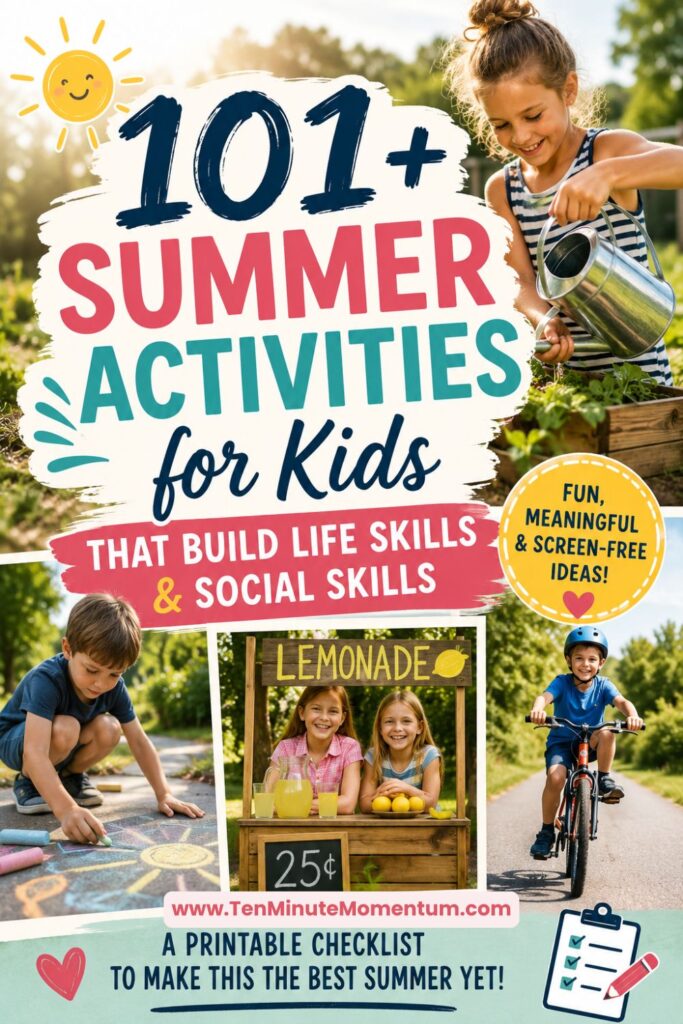
Table of Contents
Backyard and Outdoor Summer Activities
When my kids were little, our backyard was basically a classroom. The very best summer learning happens in the dirt, in the grass and in the heat. These activities cost almost nothing and teach skills that no curriculum can replicate.
- Run a Lemonade Stand: Setting up a lemonade stand is hands-down one of the best entrepreneurial activities for kids. They learn to calculate costs, set prices, make change, talk to strangers and handle both success and slow days. Bonus points if they keep a simple notebook tracking sales.
- Plant a Vegetable Garden: Give each kid a small section of garden to be their own. Letting them choose the seeds, plant, weed and harvest teaches patience, responsibility and where food actually comes from. My kids will eat almost any vegetable they grew themselves.
- Learn to Mow the Lawn: For older kids and teens, mowing the lawn is a rite of passage. It builds responsibility, safety awareness around equipment and the satisfaction of looking back at a finished job. Many of my older kids have earned summer money mowing for neighbors after they learned at home.
- Hang Laundry on a Clothesline: This sounds old-fashioned but it teaches sequencing, attention to detail and weather awareness. Plus, summer-line-dried sheets are unbeatable.
- Wash the Car: Hand your kids a bucket, sponges and the hose. Washing the car teaches work ethic, attention to detail and (when they get a little splashed) a sense of fun in productive work.
- Build a Backyard Fort: Whether it’s blankets over a picnic table, an old sheet tied between trees or a more elaborate stick-and-rope structure, fort-building develops engineering thinking, problem-solving and creative play.
- Start a Bug Collection: Give your kids a jar with holes in the lid and let them collect interesting bugs through the summer. They’ll learn observation, identification and respect for living things.
- Catch and Release Lightning Bugs: This is pure summer magic and teaches gentleness and patience. Older kids can research how lightning bugs work and explain it to younger siblings.
- Jump Rope Challenges: Set a goal of jumps in a row and let your kids try to beat it day after day. Jump roping builds coordination, perseverance and grit through the simple act of trying again.
- Sidewalk Chalk Obstacle Course: Let your kids design a hopscotch-style obstacle course on the driveway. They’ll practice planning, spatial reasoning and instruction-giving when they teach younger siblings how to play.
- Ride Bikes Further Than Last Year: Set a small goal like riding to the end of the road and back, then to the next street, then to a friend’s house. Building bike endurance teaches goal-setting and physical confidence.
- Run Through the Sprinkler: Yes, it’s on the list. Free, fun and there’s something about laughing in a sprinkler that builds joy in simple things. Don’t underestimate the value of unstructured play.
- Set Up a Tent and Sleep Outside: Whether in the backyard or a campground, sleeping outside teaches preparation, comfort with darkness and the kind of family memories kids talk about for years.
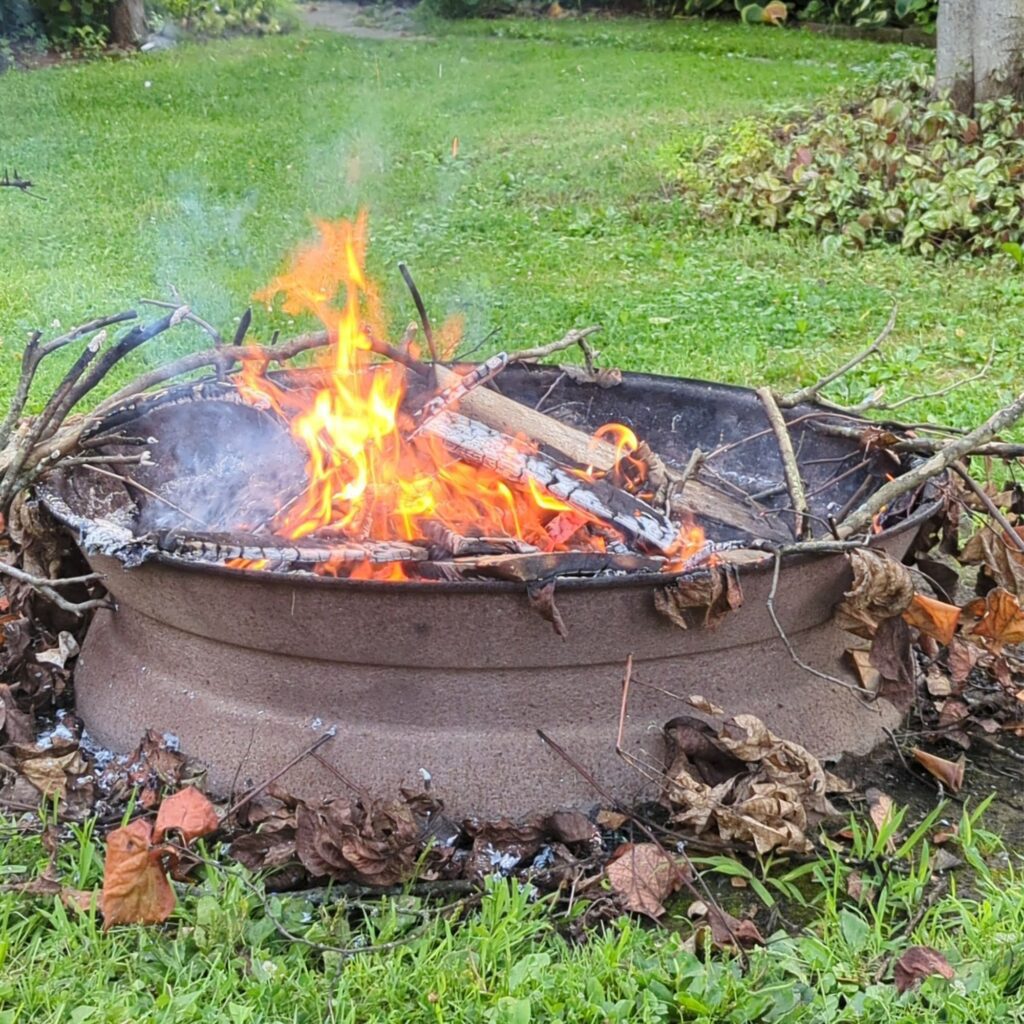
- Build a Campfire: With supervision, kids can learn to gather kindling, stack wood and start a fire safely. Fire-building teaches preparation, safety awareness and the satisfaction of providing warmth.
- Cook Over a Campfire: Beyond marshmallows, try foil-pack potatoes, hot dogs on sticks or even bread on a stick. Cooking over a fire teaches patience and resourcefulness.
- Stargazing in the Backyard: Lay out a blanket and learn a few constellations. Stargazing builds curiosity, focus and a sense of wonder about the bigger world.
- Catch Frogs at a Pond: If you have a pond nearby, this is a classic. Kids learn observation, quick reflexes and respect for nature.
- Build a Bird Bath: A simple shallow dish on a stump becomes a backyard bird bath. Kids learn responsibility for maintaining it and observation skills as they identify the birds that visit.
- Wash Outdoor Toys: Drag the outdoor toys out, fill a kiddie pool with soapy water and let the kids scrub. This teaches care for belongings and turns chores into play.
- Sweep the Patios and Porches: Simple, satisfying and teaches kids that maintaining a home is shared family work.
- Pick Up Sticks for the Yard: Especially after summer storms, sticks need to come out of the yard before mowing. Kids can fill wheelbarrows and feel like they’re really helping.
- Pull Weeds in the Flower Beds: Weeding teaches focus, persistence and the surprising satisfaction of a clean garden bed. Pay your kids a small amount per bag if you want to motivate older kids.
- Set Up a Hammock: Hang a hammock between two trees and let your kids learn to lie still long enough to enjoy it. Rest is a life skill too.
- Make Mud Pies: Younger kids can spend hours making mud pies, mud soup and mud cakes. This is sensory play, creative play and pure joy. Just have a hose ready.
- Climb a Tree: If you have a climbing tree, let them climb it. Tree climbing builds physical confidence, risk assessment and problem-solving as they figure out how to come back down.
- Build an Outdoor Mud Kitchen: Set up a small “kitchen” with old pots, pans and utensils outside near a dirt pile. Kids will play for hours and learn imaginative play, role-playing and how to share tools.
- Have a Foot Race: Time your kids running across the yard. Have them race each other, race themselves and try to beat their own time. Racing builds healthy competition and goal-setting.
Water and Pool Summer Activities
Water play is non-negotiable summer. Whether you have a pool, a creek nearby, a sprinkler or just a backyard hose, these activities cool everyone down and build important skills along the way.
- Learn to Swim: This is the most important summer life skill, period. Whether through formal lessons or family practice, swimming builds physical confidence, safety awareness and a love of being in the water.
- Learn to Float: Before swimming comes floating. Teaching kids to float on their backs builds calm in challenging situations and is a critical water safety skill.
- Have a Water Balloon Fight: Fill a few dozen water balloons and let the kids go at it. They learn aim, sportsmanship and the fun of organized chaos.
- Use a Water Balloon Launcher: For bigger kids who can handle a giant slingshot, water balloon launchers are pure summer fun. Just make sure they aim into wide open space, not toward the neighbor’s yard. Builds teamwork (they need two people to operate).
- Squirt Gun Tag: Cheap squirt guns from the dollar store turn into hours of yard fun. Kids learn to navigate strategy, teamwork and friendly competition.
- Sprinkler Tag: Run the sprinkler and play tag. Whoever gets tagged has to run through the sprinkler. Builds coordination and laughter.
- Go Fishing: A morning at a local pond or lake teaches patience, focus and the joy of slowing down. Many local areas don’t require fishing licenses for kids, so this can be a low-cost outing.
- Take Younger Siblings in the Kiddie Pool: This is a social skills powerhouse. Older kids learn responsibility, gentleness and how to entertain a little one while parents catch a break.
- Walk in a Creek: Take the kids creek-walking with sturdy water shoes. They’ll learn balance on rocks, observation of creek life and adaptability to changing terrain.
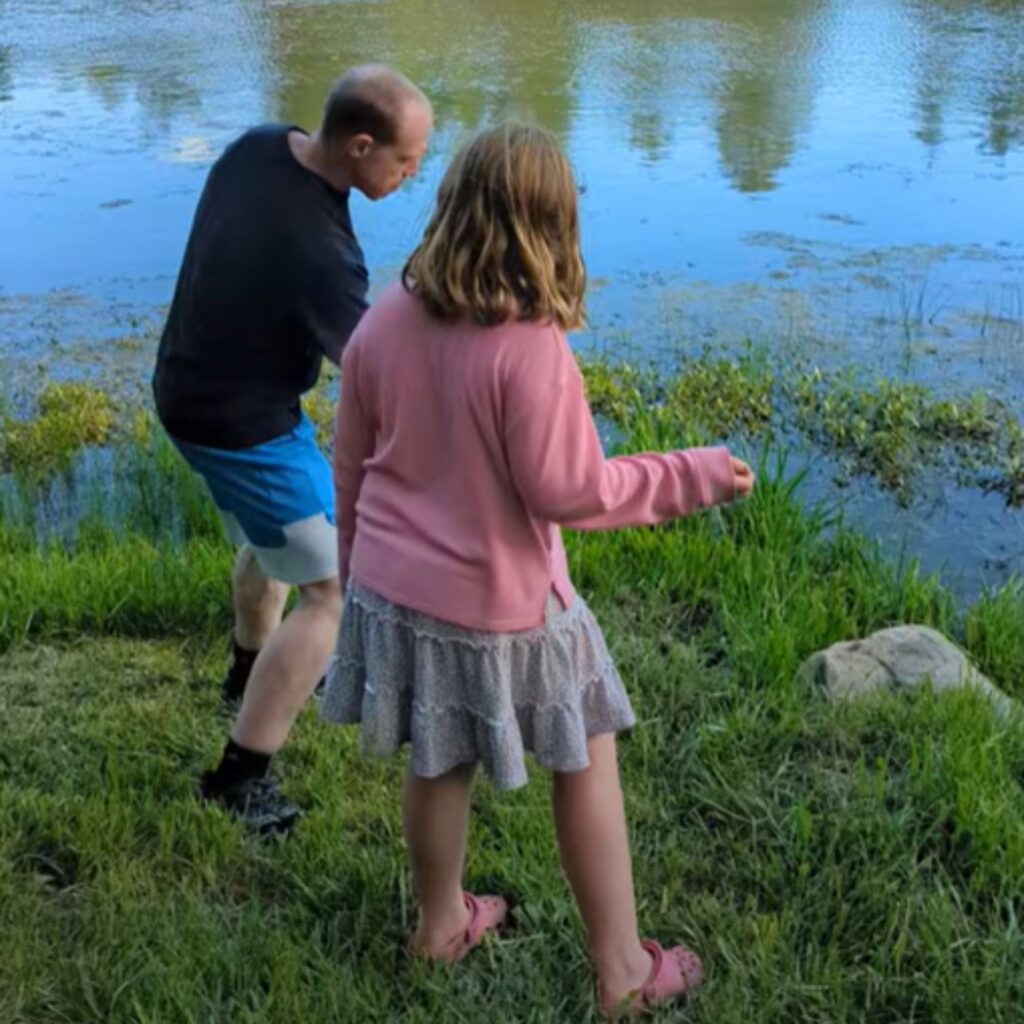
- Skip Stones: Find flat stones and teach your kids how to skip them across a pond. Skill-building, patience and the simple joy of mastering something hard.
- Visit a Splash Pad: Free splash pads at local parks are perfect for younger kids. They learn social play with kids they don’t know and how to share public spaces.
- Make Frozen Treats and Eat Them Outside: Homemade popsicles or ice cream eaten in the yard is summer at its purest. Kids learn measuring, planning and the rewards of waiting for something to freeze.
- Take a Boat Ride: Whether it’s a canoe, kayak, paddleboat or motorboat, time on the water teaches balance, safety awareness and the wonder of seeing the world from the water.
- Try Paddle Boarding: For older kids, paddle boarding is a perfect summer challenge. It builds balance, core strength and the perseverance of trying something hard.
- Wash the Dog Outside: If you have a dog, summer is the time for outdoor baths. Kids learn pet care, gentleness with animals and how to keep working when things get messy.

Summer Travel and Day Trip Activities
Some of our family’s best memories are summer day trips. Travel teaches kids more about the world than any textbook can. These activities don’t have to be expensive — a state park visit is often free and rich with learning.
- Pack Your Own Bag for a Day Trip: Hand your kids a list and have them pack their own backpack. This teaches planning, responsibility and how to anticipate needs.
- Read a Map: Yes, an actual paper map. Show your kids how to find your town, where you’re going and how to estimate distance. Map reading builds spatial reasoning and a sense of geography.
- Plan One Stop on a Road Trip: Let each kid pick one stop on a road trip and research what’s there. They learn research skills, decision-making and how to advocate for what they want.
- Order Their Own Food at a Restaurant: This is huge for social skills. Kids practice making eye contact, speaking clearly to an adult they don’t know and saying please and thank you. Start young.
- Visit a Local Farmer’s Market: Give each kid a few dollars and let them choose what to buy. They learn budgeting, comparison shopping and how to interact with vendors.
- Visit a State Park: State parks are usually free or very cheap and offer hiking, swimming, nature centers and ranger programs. Build outdoor confidence and a love of public lands.
- Visit a National Park: If you’re traveling, build in a national park stop. The Junior Ranger program at most parks is excellent for kids and teaches them about conservation, wildlife and history.
- Visit a Museum: Art, history, science, children’s museums — find one within driving distance. Museums teach curiosity, focus and how to slow down and look.
- Go to a Baseball Game: Even a minor league game is a great summer outing. Kids learn the rules of the game, how to cheer with a crowd and how to sit through something longer than they thought they could.
- Visit the Local Library Summer Reading Program: Most libraries run free summer reading programs with prizes, events and book recommendations. Kids learn the habit of reading for fun and how to navigate a library independently.
- Visit a Zoo: A day at the zoo builds observation skills, empathy for animals and stamina for a long walking day.
- Visit an Aquarium: Aquariums are perfect rainy day backups for summer travel. Kids learn about marine life and how to observe quietly.
- Go to a County or State Fair: County fairs are summer staples. Kids learn about agriculture, see 4-H projects (great inspiration for their own future projects) and experience the social environment of a fair.
- Visit a U-Pick Farm: Strawberries, blueberries and other summer crops are perfect for u-pick. Kids learn where food comes from, the work of harvesting and how to handle delicate produce.
- Take a Train, Bus or Subway Ride: If you don’t usually use public transit, take a deliberate trip. Kids learn how to read schedules, navigate stations and travel as part of a crowd.
Summer Activities That Build Social Skills
This is the section that makes this list different. Summer is when kids have time and space to practice the social skills they’ll use the rest of their lives. These are intentional and worth planning for.
- Host a Friend for an Overnight: Inviting a friend to sleep over teaches hospitality, problem-solving and how to share your space. Kids learn to be a good host AND a good guest.
- Plan a Backyard Birthday Party: Even if it’s not their birthday, let your kids plan a celebration. They’ll work on guest lists, food, activities and decorations. This is event planning 101.
- Write Invitations by Hand: Have your kids write out invitations to parties or play dates. Writing builds communication skills, handwriting and the small joy of getting actual mail.
- Introduce Themselves to a New Neighbor: If new neighbors move in over the summer, take your kids to meet them with a plate of cookies. Practice the introduction ahead of time. Eye contact, handshake, name — these are skills.
- Host a Sibling Talent Show: Have your kids prepare and perform a talent show for the family. They’ll work on practice, preparation, performance and supporting each other.
- Organize a Neighborhood Kid Olympics: Get the neighborhood kids together and run a backyard Olympics with simple events. Your kids learn leadership, organization and how to include kids of different ages.
- Start a Kids’ Book Club: A few friends, a shared book and a snack. Book clubs teach discussion skills, listening and how to disagree respectfully.
- Call a Grandparent Once a Week: Set a weekly time and have your kids call a grandparent or older relative. They’ll practice conversation skills, asking questions and listening to stories from a different generation.
- Practice Handshakes and Eye Contact: Sounds silly but works. Practice introducing yourself to a parent, a coach, a friend’s parent. Building this habit in summer pays off forever.
- Write Thank-You Notes for Birthday and Graduation Gifts: Summer is graduation season. Sit your kids down to write actual thank-you notes. Gratitude is a social skill AND a life skill.
- Help a Younger Sibling Learn a New Skill: Have older kids teach younger ones to tie shoes, ride a bike or swim. Teaching teaches patience and leadership.
- Settle a Sibling Argument with Words: Make a household rule that summer disagreements get talked out, not yelled out. Kids practice conflict resolution skills that translate to every relationship they’ll have.
- Apologize and Make It Right: When kids mess up, walk them through a real apology — naming what they did, why it was wrong and what they’ll do differently. This is one of the most important social skills there is.
- Practice Making Small Talk: At a checkout counter, at the park, at church — give your kids a small talk goal and let them practice. Asking someone how their day is going is a learnable skill.
- Host a Tea Party for Younger Kids: Older kids host younger siblings or cousins for a real tea party with snacks, manners and conversation. Hospitality is hard to teach without practice.
Summer Kitchen and Cooking Activities
The kitchen is one of the best classrooms in your house, and summer’s slower pace makes it easier to let kids help (and make a mess). These activities build skills your kids will use the rest of their lives.
- Make Homemade Popsicles: Mix juice, fruit, yogurt — let kids invent their own flavors. They learn measuring, planning, patience (waiting for things to freeze) and creative problem-solving.
- Make Ice Cream from Scratch: Whether with an ice cream maker, a hand-crank model or the ziplock-bag-in-a-can-of-ice trick, homemade ice cream is summer magic. Kids learn the science of freezing and the reward of slow food.
- Pack a Picnic: Have your kids plan and pack an entire picnic. They’ll learn menu planning, food packaging and the practical logistics of eating away from home.
- Make Lemonade from Scratch: Real lemonade from real lemons teaches measurement, taste-testing (more sugar? more lemon?) and the value of homemade vs. store-bought.
- Plan One Family Dinner: Give an older kid one weeknight to plan, shop for and prepare dinner. Even simple meals teach meal planning, grocery navigation and time management.
- Make Homemade Pizza: Pizza dough, sauce, toppings, baking. This is the perfect first-cooking-project for older kids and a fun assembly line for younger ones.
- Grill with a Parent: With supervision, older kids can learn to grill burgers, hot dogs and veggies. Grilling teaches fire safety, heat control and the timeless skill of cooking outside.
- Can or Freeze Summer Produce: If your garden produces extra (or you visit a u-pick farm), teach your kids to freeze berries, make jam or can tomatoes. Food preservation is a fading skill worth keeping alive.
- Bake Bread: Summer’s a great time to teach bread baking because the dough rises faster in warm weather. Kids learn patience, sequencing and the magic of yeast.
- Make Salsa with Garden Tomatoes: If you grow tomatoes, fresh salsa is a celebration of summer. Kids learn knife skills (with supervision), flavor balancing and how good real food tastes.
- Set the Table and Light Candles for Dinner: Even simple weeknight meals feel special with a set table. Kids practice the small art of making mealtime matter.
- Wash Dishes by Hand: If you usually use a dishwasher, give your kids a week of washing dishes by hand. They’ll learn the actual work of running a kitchen and gain appreciation for modern appliances.

Summer Service and Community Activities
Summer is the perfect time to teach kids that they’re part of something bigger than themselves. Service activities build empathy, generosity and a sense of belonging in a community.
- Volunteer at a Food Pantry: Many food pantries welcome family volunteers. Kids learn that not everyone has what they have and that helping is something they can actually do.
- Walk a Neighbor’s Dog: Offer to walk a dog for a neighbor who’s busy, traveling or unable. Kids learn responsibility, animal care and how to be useful.
- Deliver Garden Surplus to Neighbors: If your garden over-produces (and it will), have your kids bag up zucchini or tomatoes and deliver them to neighbors. They practice generosity and conversation with adults.
- Run a Charity Lemonade Stand: All the entrepreneurial benefits of a regular lemonade stand, plus the lesson of giving the money away. Pick a cause your kids care about.
- Write Thank-You Notes to Summer Helpers: Mail carrier, garbage collector, lifeguards, librarians, camp counselors — have your kids write notes thanking the people who make summer work.
- Pick Up Trash at the Park or Beach: Bring gloves and bags and clean up a public space. Kids learn civic responsibility and that public spaces are everyone’s job to maintain.
- Help an Older Neighbor with Yard Work: If you know a neighbor who can’t keep up with their yard, send your kids over to help. They learn service, work ethic and the value of older people in their lives.
- Donate Outgrown Clothes and Toys: Use a summer afternoon to sort outgrown things and donate them. Decluttering teaches decision-making and generosity.
- Bake Cookies for a Neighbor: Take a plate of cookies to someone — a new neighbor, an older neighbor, a sick friend. Hospitality is a learned habit.
- Visit Someone in a Nursing Home: With or without a connection, many nursing homes welcome family visitors who’ll sit and talk. Kids learn that older people have stories worth hearing.
Rainy Day and Indoor Summer Activities
Summer thunderstorms are real — especially here in Ohio. These indoor activities make rainy days productive instead of screen-filled and teach skills along the way.
- Organize Their Bedroom: A rainy summer afternoon is perfect for the deep cleanout of a kid’s bedroom. They learn decision-making, decluttering and how good a clean space feels.
- Write and Illustrate a Book: Fold paper, staple it, hand your kids markers. Letting them write their own stories builds creativity, storytelling and the confidence of finishing something.
- Learn a New Card Game: Teach your kids Rummy, Spades, Hearts or whatever you grew up playing. Card games build math skills, strategy and patience.
- Family Movie Pick Night (Kid Plans Snacks): Let a kid pick the movie AND plan the snacks. They learn menu planning, hospitality and how to handle disagreement when siblings don’t love their pick.
- Build a Puzzle Together: A 500-piece puzzle on the dining table over a rainy weekend teaches patience, persistence and the satisfaction of slow work.
- Reorganize a Bookshelf or Closet: Have kids tackle one organization project per rainy day. They learn sorting, decision-making and the practical work of running a home.
- Learn to Sew on a Button: Find an old shirt and a needle. Sewing on a button is the gateway sewing skill and teaches fine motor control, problem-solving and resourcefulness.
- Make Friendship Bracelets: Simple embroidery floss bracelets keep kids busy for hours and build fine motor skills, patience and a fun social currency to trade with friends.
- Write Letters to a Pen Pal: A summer pen pal — a cousin, a grandparent, a friend who moved away — teaches handwriting, communication and the joy of receiving real mail.
- Do a Puzzle Book or Crossword: Word searches, crosswords and logic puzzles keep brains engaged on rainy days without screens.
- Practice an Instrument: If your kids play any instrument, summer is the time to practice without school pressure. Even non-musicians can mess around on a keyboard or ukulele.
Summer Holidays and Celebrations
Summer’s biggest holidays each offer perfect opportunities to teach life skills wrapped in celebration. Each of these can be turned into a kid-led project.
- Celebrate Memorial Day: Take your kids to a Memorial Day parade or service. Talk about who Memorial Day honors and why. Kids learn history, gratitude and respect.
- Celebrate Flag Day: June 14th. Teach your kids flag etiquette — how to hang it, fold it and respect it. These are small civic skills that fewer kids learn today.
- Celebrate Father’s Day: Let your kids plan the day, whether that’s breakfast in bed, a hike or just hand-drawn cards. Planning a meaningful celebration teaches thoughtfulness and execution.
- Celebrate the Fourth of July: Beyond fireworks, let your kids plan a small family celebration — flag decorations, a backyard cookout, a sparkler ceremony. They’ll learn event planning, food prep and the meaning of the day.
- Host a Backyard Barbecue: Invite a few friends or neighbors over and let your kids help plan, prep and host. Hospitality, food prep, conversation — all in one afternoon.
- Celebrate End-of-Summer with a Back-to-School Party: Mark the end of summer with a small celebration. Kids learn reflection (what was the best part?), gratitude and how to mark transitions well.

Life Skills Kids Build Over a Summer
Looking at this list, I want to point out something important: when you spread activities like these across a whole summer, your kids walk into fall having practiced an extraordinary number of life skills. Here’s a sample of what an active summer teaches:
- Independence: Packing their own bag, planning their day, riding their bike further than before
- Communication: Ordering at restaurants, calling grandparents, introducing themselves to new neighbors
- Hospitality: Hosting overnights, planning parties, taking food to neighbors
- Financial Literacy: Running a lemonade stand, budgeting at the farmer’s market, saving for a goal
- Work Ethic: Mowing, weeding, washing cars, helping neighbors
- Conflict Resolution: Talking out sibling arguments, apologizing well, settling disagreements with words
- Self-Care: Resting in hammocks, swimming, eating real food, sleeping outside
- Decision-Making: Choosing snacks, choosing destinations, choosing what to keep and what to donate
- Empathy and Generosity: Volunteering, sharing surplus, helping older neighbors
- Planning and Organization: Picnics, parties, day trips, dinner nights
- Creativity: Mud kitchens, story writing, friendship bracelets, talent shows
- Resilience: Getting back on the bike, trying the float again, replanting after the first crop failed
- Civic Awareness: Picking up trash, attending Memorial Day services, respecting public spaces
When kids look back on their summers, they don’t remember the screen time. They remember the lemonade stand. They remember the overnight with their cousin. They remember the time they caught a fish or learned to swim or rode all the way to the corner store by themselves.
Make This Summer the Best One Yet
Summer doesn’t have to be a stretch of boredom punctuated by screens. With a checklist of low-prep activities and a willingness to let your kids do real things, summer becomes one of the richest learning seasons of the year.
Whether your kids are 2 or 20, there is something on this list for everyone. Print it out, hang it on the fridge and start checking things off!
Sarah McCubbin and her husband and 9 kids live in Ohio. She loves talking about all kinds of education topics and is passionate about helping families find the best education options in each season! After being very socially awkward growing up, she now loves to help families teach life skills, social skills and leadership to their kids!

Sarah McCubbin and her husband and 9 kids live in Ohio. She loves talking about all kinds of education topics and is passionate about helping families find the best education options in each season! After being very socially awkward growing up, she now loves to help families teach life skills, social skills and leadership to their kids!
Connect With Sarah:
Schooling Year By Year Facebook Group
Facebook Page / Instagram @ten_minute_momentum
IndieEducationNetwork.com
More Reading: